2025 Greater Boston Jewish Community Study
For the past 60 years, CJP has sponsored a comprehensive community study every decade to deepen our understanding of Jewish life in Greater Boston — exploring how people connect, what they need, and how the community is changing.
The 2025 study paints a portrait of a vibrant, caring, and evolving community — one that is dynamic, deeply rooted in Jewish values, and navigating new challenges around the wide range of ways to connect to contemporary Jewish life. It provides critical insights into where the community stands today and how it can evolve, close service gaps, and ensure every person feels part of a shared, thriving, and secure future.

We participate in Jewish organizations. That's what my parents did, that's what their parents did. That just feels like part of my core identity.
The Greater Boston Jewish Community Study is a data-driven, in-depth analysis including demographics, attitudes, participation levels, and geographic profiles.
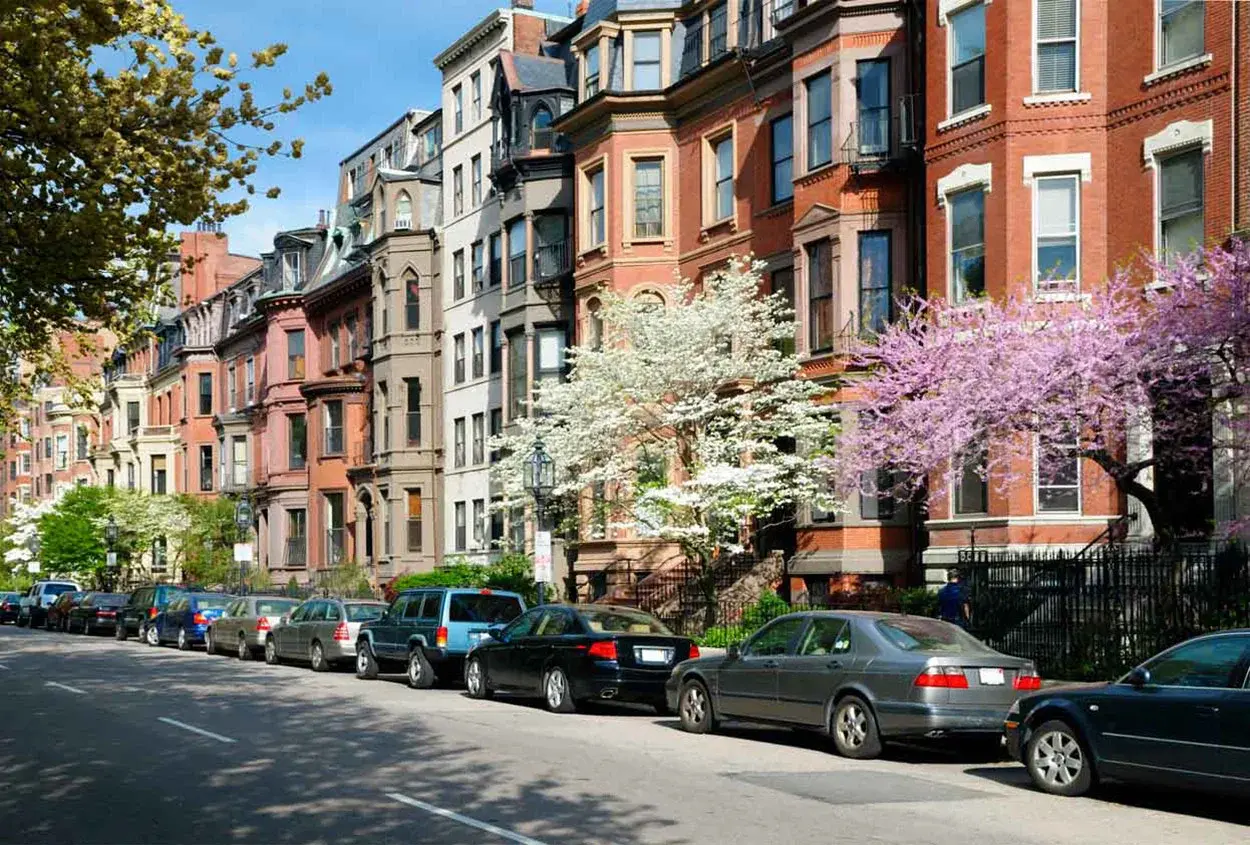
With 333,100 people living in 138,200 Jewish households, Greater Boston is home to one of the largest Jewish communities in America.
Our community is dynamic, evolving, and multidimensional, with shared interests and commitments that unite us.
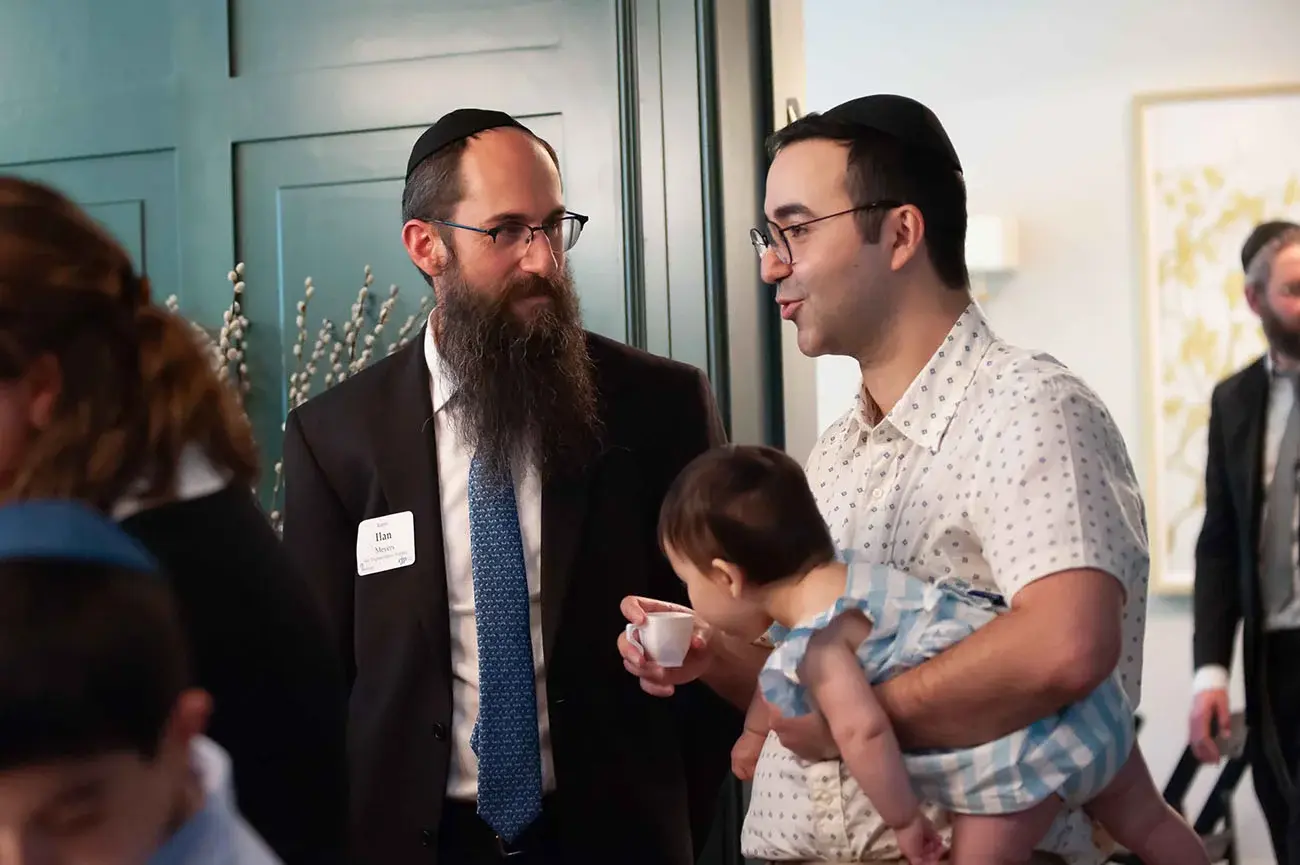
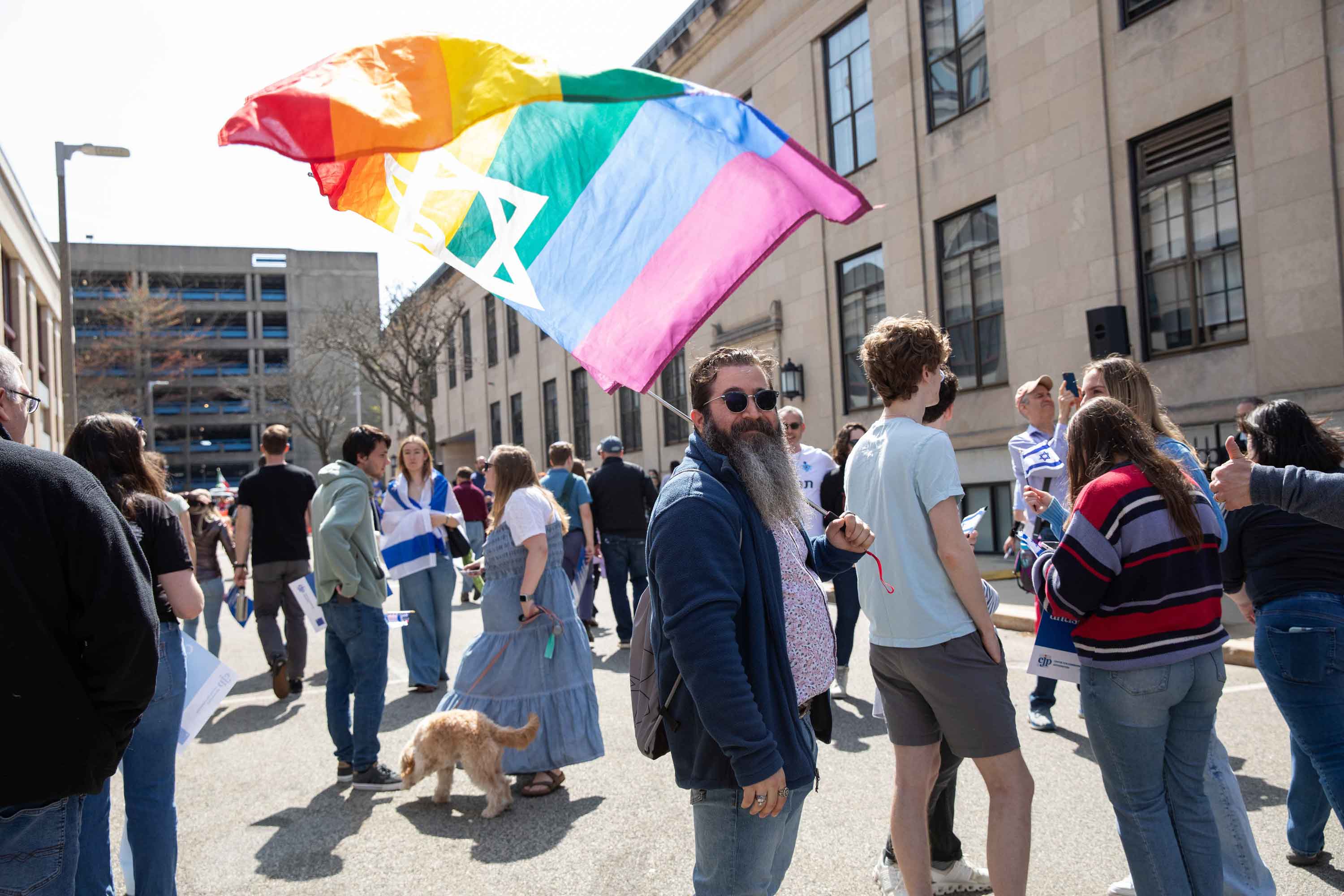
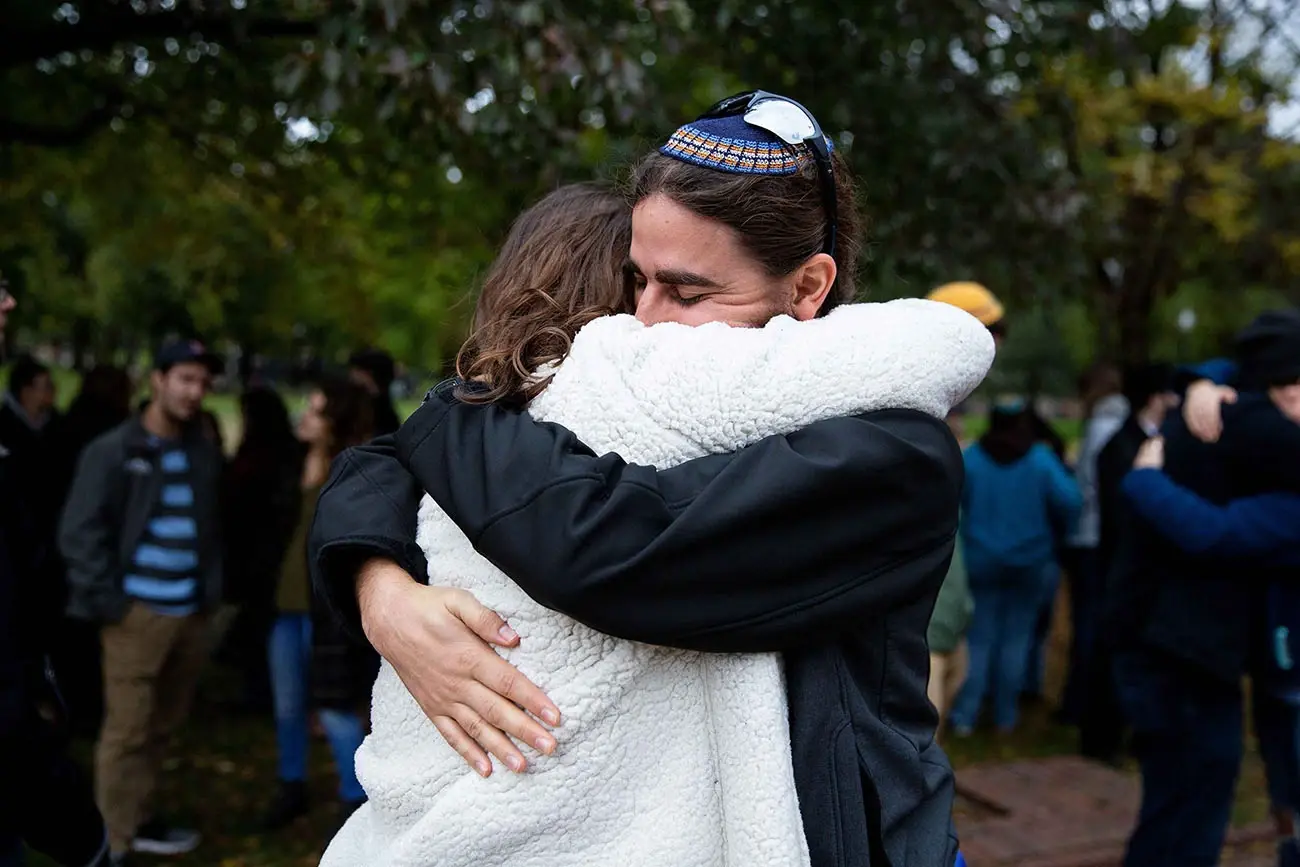
The Greater Boston Jewish community is vibrant and diverse. It brings together people from many backgrounds, traditions, and experiences, creating a dynamic and inclusive environment. Interfaith families, varied cultural identities, and multiple languages enrich our community, making it a place where everyone can feel connected and valued.
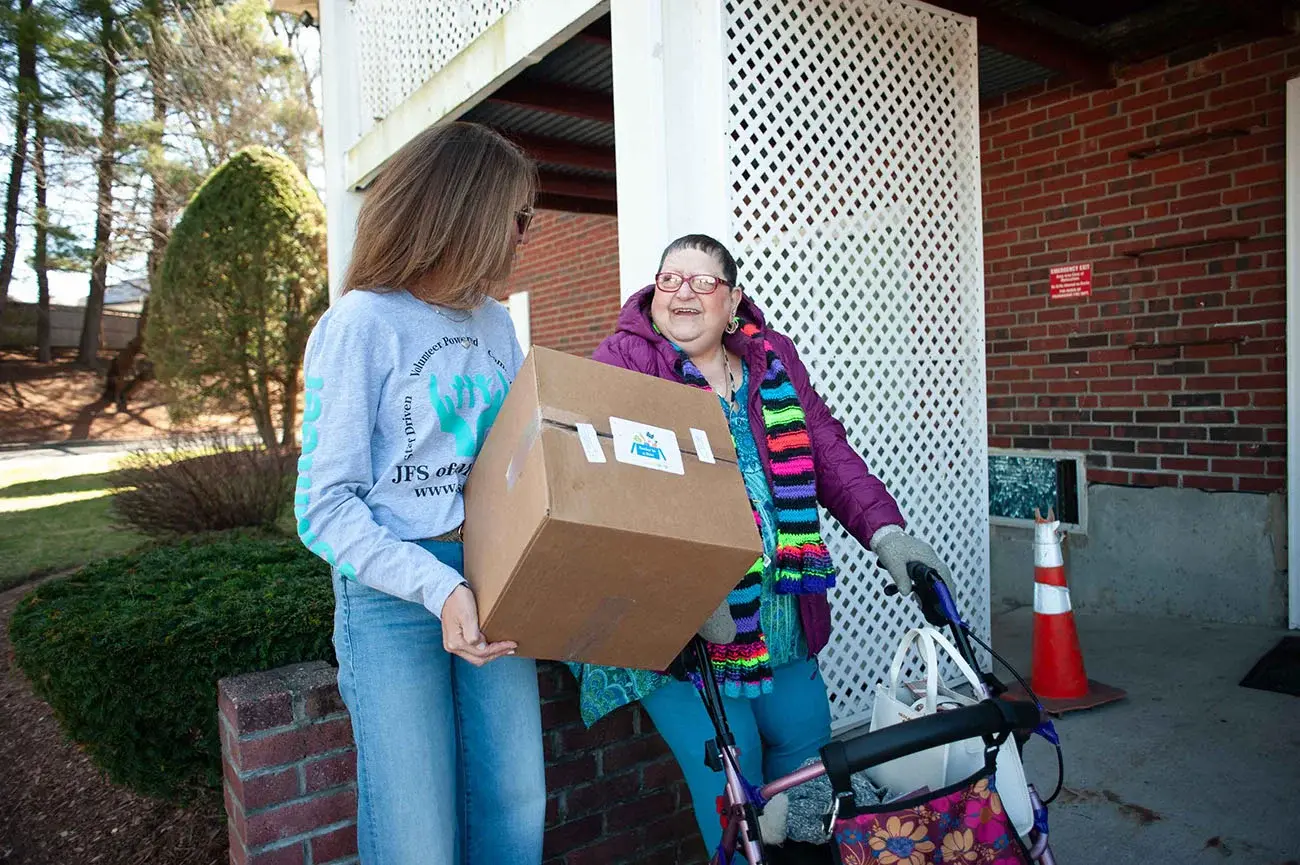
Our community reflects a deep sense of responsibility to one another and to the broader world. For many, tzedakah (charitable giving), traditions, ethics, and shared history form the heart of being Jewish.
Jewish life is thriving, even as significant barriers limit participation for some members of our community.
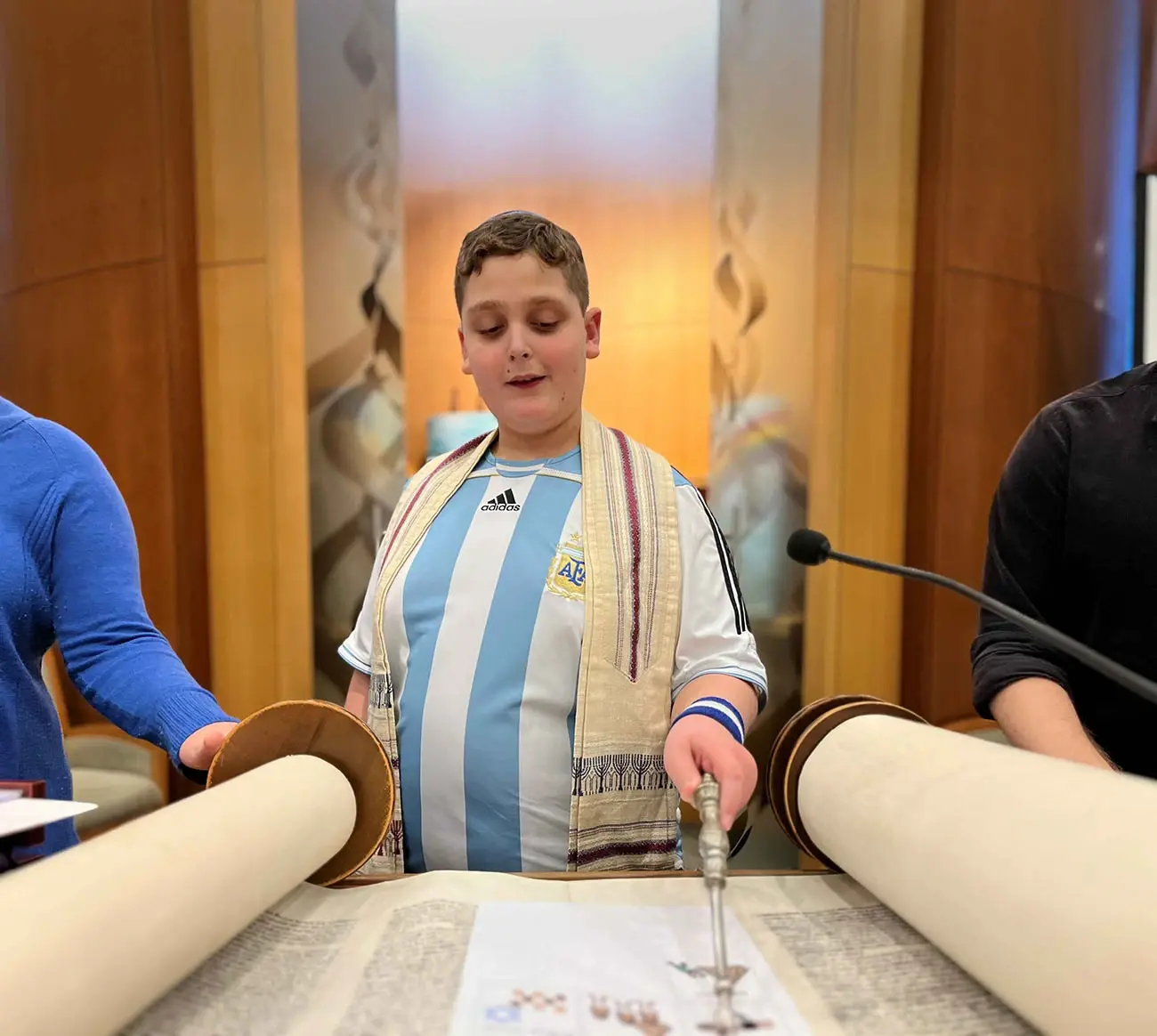
Jewish life in Greater Boston is vibrant and deeply rooted in tradition and community. Synagogues remain central hubs for spiritual, cultural, and social connection, offering spaces where individuals and families come together. Jewish education continues to be a powerful force for continuity, with day schools and summer camps helping to sustain identity and values across generations.
Yet barriers to participation persist. Many community members seek connection but struggle with awareness and access, making entry into Jewish life challenging. While most agree that belonging to a Jewish community is important, levels of engagement vary widely, reflecting diverse needs and experiences. Addressing these gaps is essential to ensure that every individual can find their place in a thriving, inclusive Jewish community.
Significant numbers of our community members report concerns about their safety, security and well-being.
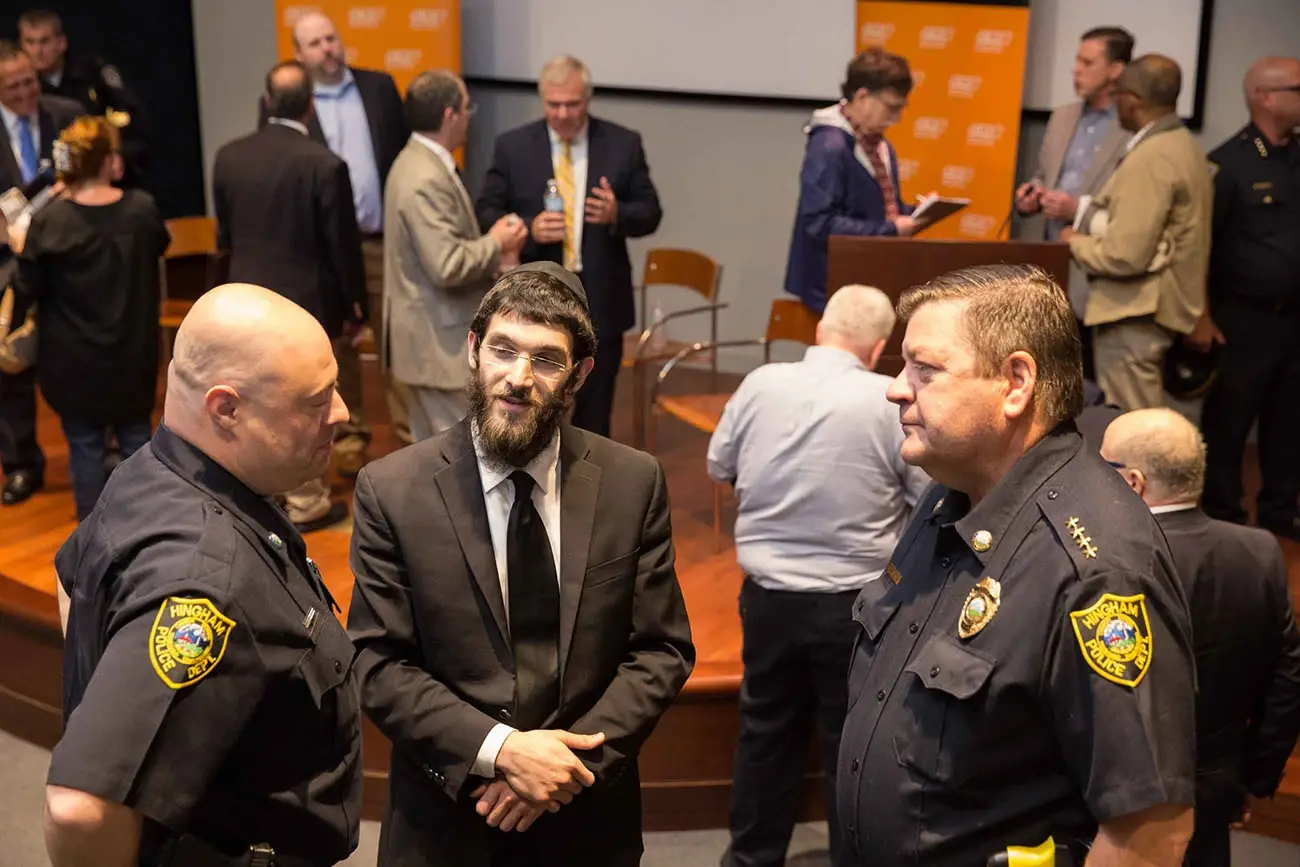
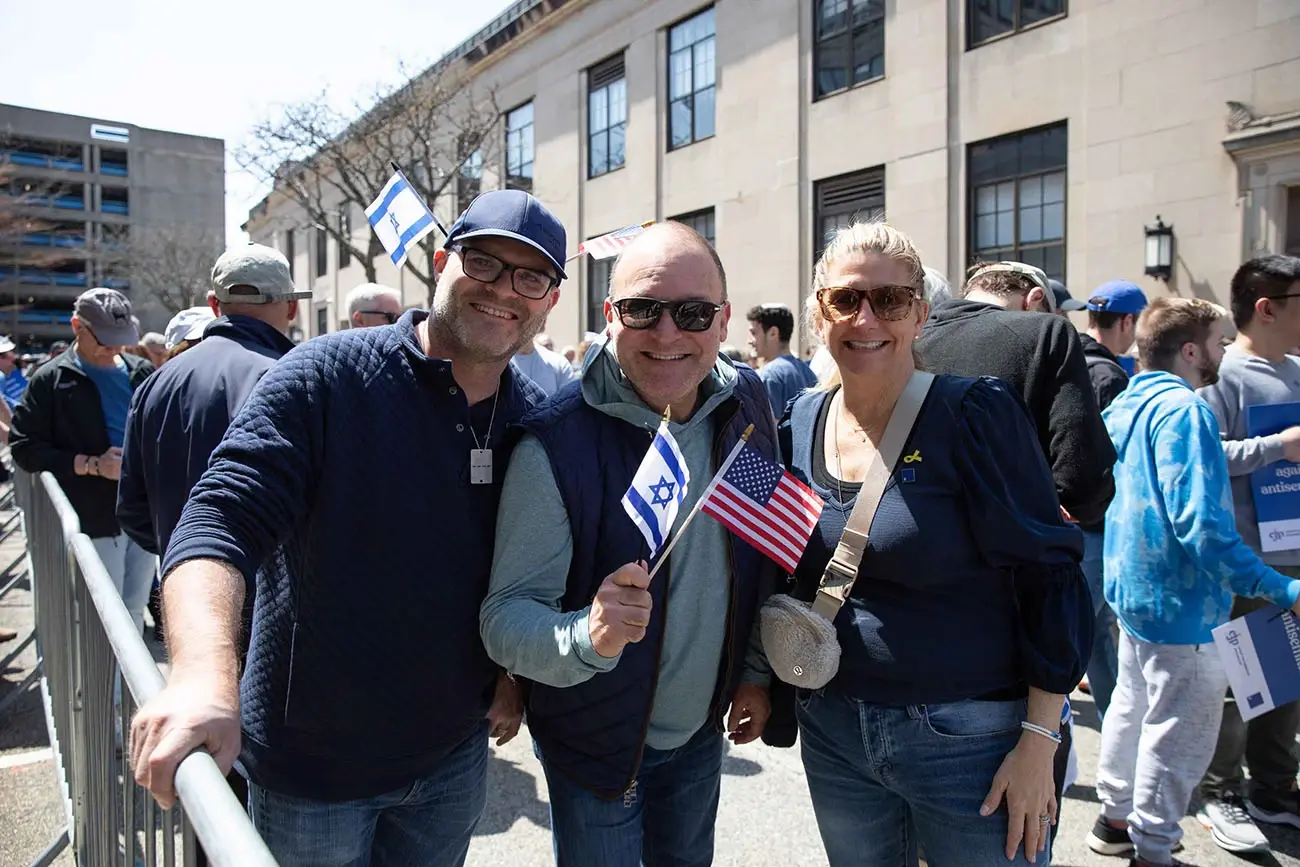
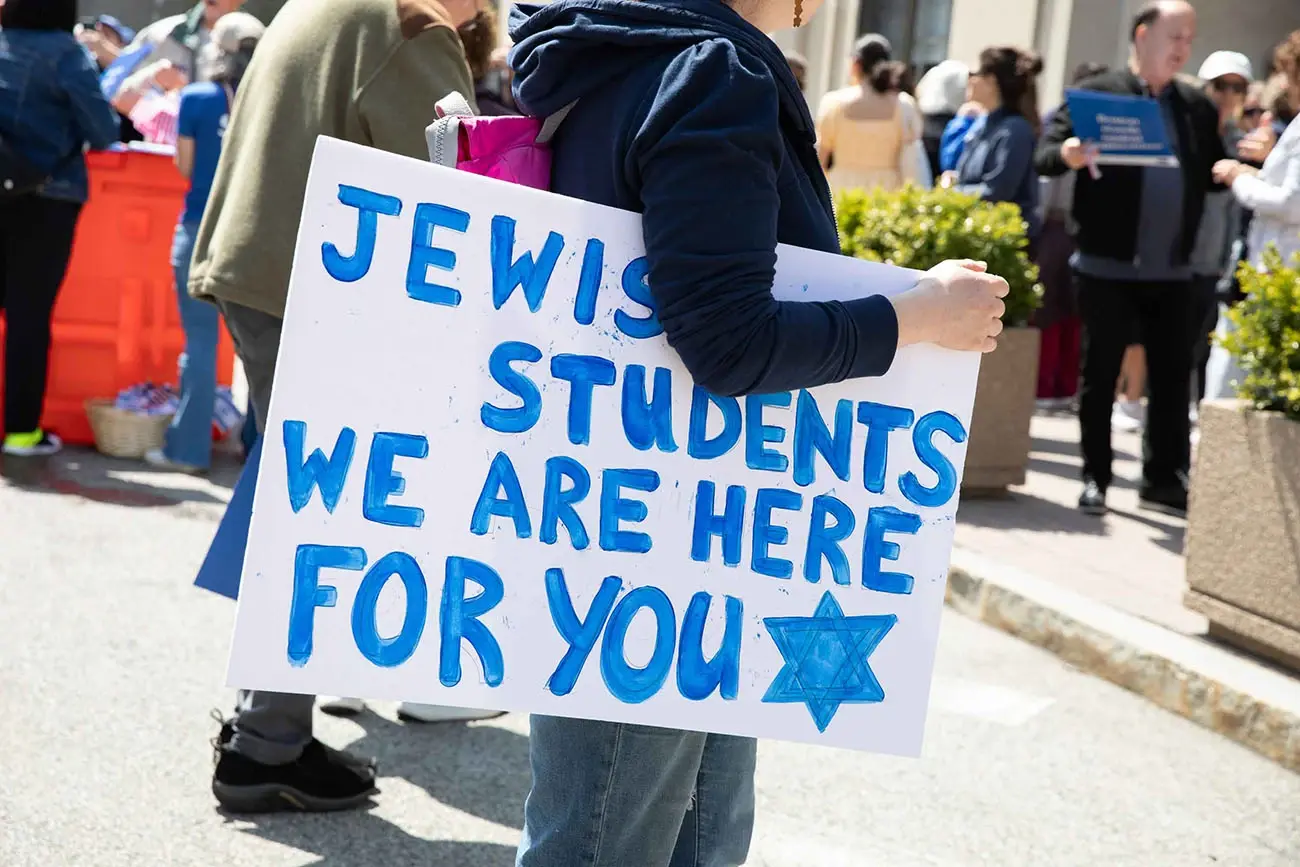
Amid a national and global rise in antisemitism, Jews in Greater Boston are increasingly focused on safety and how the community responds. Nearly all Jewish adults express concern about antisemitism. These concerns shape how people navigate public spaces, express their Jewish identity, and seek support.
Financial strain, health issues, and mental health concerns touch thousands of lives. These realities underscore the importance of building a supportive community that understands and addresses these needs.
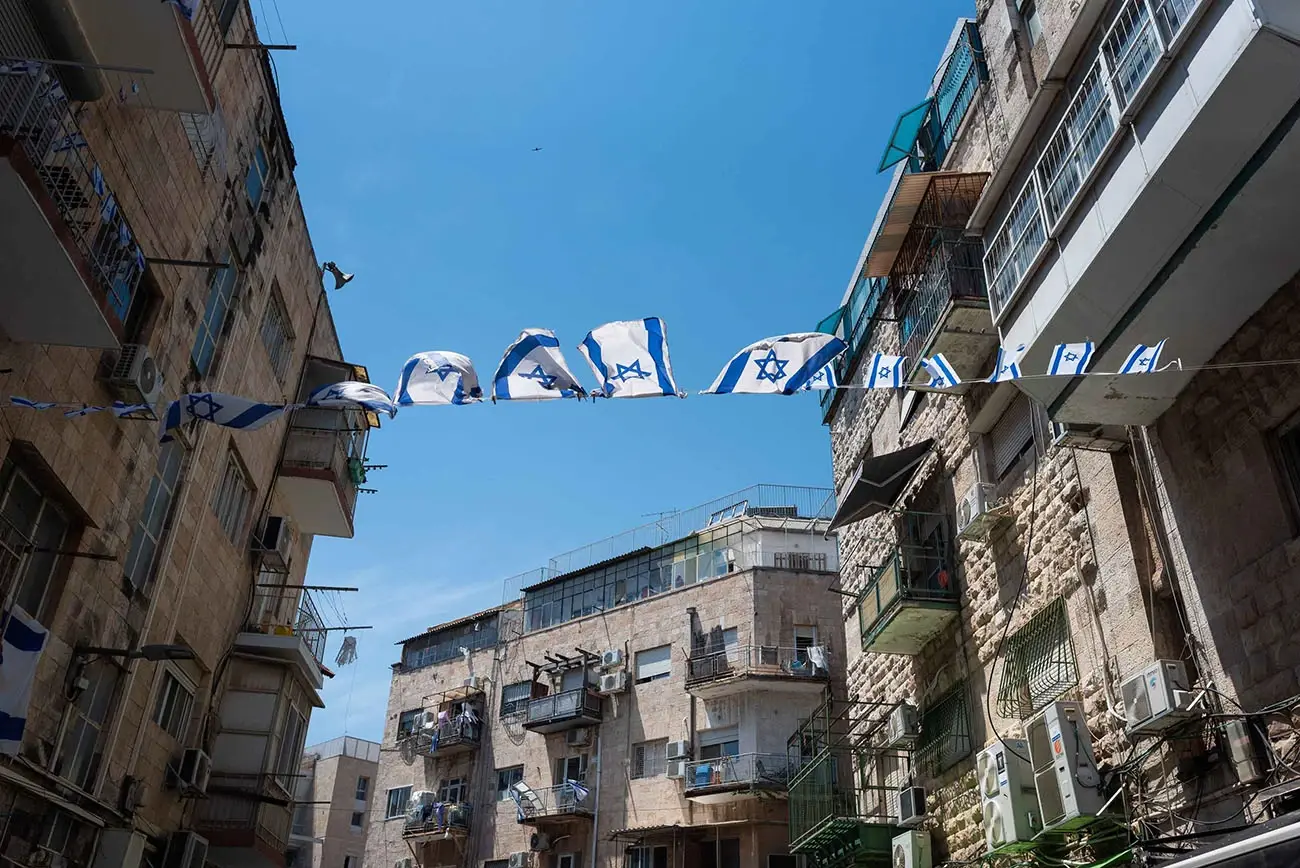
Our community is deeply committed to Israel, though the nature of that commitment varies widely.
For most Jews in Greater Boston, having a connection to Israel is an important part of their Jewish identity, but how that connection is felt and expressed varies widely. These differences have become more pronounced since October 7, 2023, as people navigate complex emotional, ideological, and familial relationships with Israel.
There are significant generational differences around Israel, antisemitism, well-being, and expressions of Jewish identity.
Generational differences shape how community members relate to Israel, antisemitism, and Jewish identity. Younger adults are less likely to feel connected to Israel or concerned about antisemitism locally, while older adults tend to express stronger Israel attachment and concern about antisemitism.
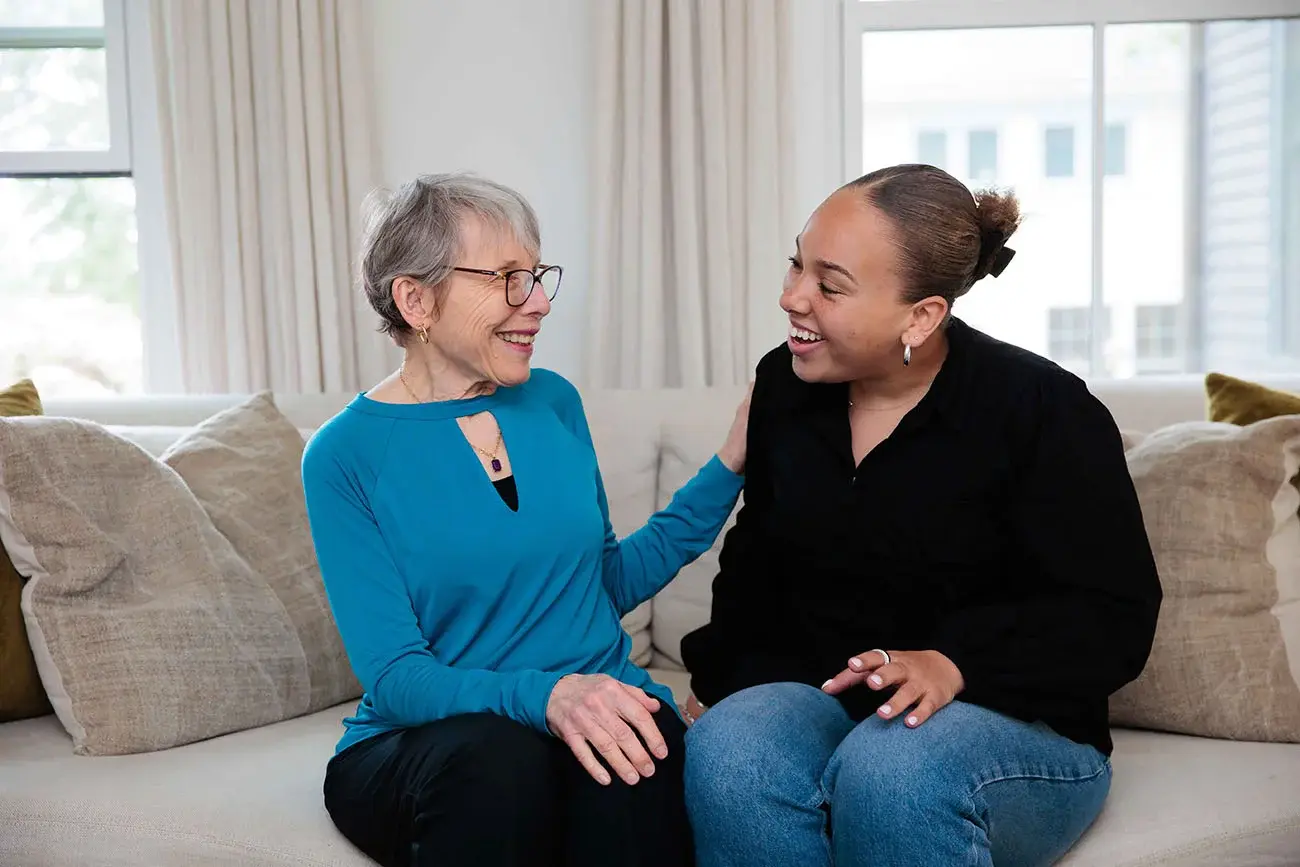
Experiences of belonging and well-being also differ by generation. Many younger adults report feeling disconnected from the Greater Boston Jewish community and face higher rates of emotional distress and loneliness compared to older adults. These contrasts highlight the diverse perspectives and needs across age groups, shaping how Jewish identity and engagement are expressed today.
Explore the Key Findings
(18–29) feel connected to Israel contrasted with 61% of those 65 or older
Dive into the
study findings.
Explore our
reports.